
Best Windows Handheld Gaming PCs 2026
The strongest Windows-only handhelds in our 2026 database, for buyers who specifically want Steam, Game Pass, Epic and every other PC storefront on one device.
Windows handhelds trade some of SteamOS's polish for something the Deck can't offer: every PC storefront, Game Pass, and access to the full Windows software library. The field has matured fast — 2026's Windows handhelds pack 74–80 Wh batteries, Hall-effect sticks (mostly) and Zen 5-class silicon that would have been a laptop-only proposition two years ago. These are the ones worth your money.
At the all-rounder end, the ROG Ally X remains the safest default. Step up in raw power and you land on the ROG Xbox Ally X or the screen-first Legion Go 2. If efficiency matters more than peak performance, the MSI Claw 8 AI+ and its AMD-based sibling the MSI Claw A8 both deliver strong battery life. And the Zotac Zone is the outlier for anyone who wants SteamOS-style trackpads without leaving Windows.
What to look for
Battery capacity separates the tiers cleanly. The ROG Ally X, ROG Xbox Ally X, Legion Go 2, MSI Claw 8 AI+ and MSI Claw A8 all sit in the 74–80 Wh range and deliver multi-hour sessions. The Zotac Zone's 48.5 Wh cell is a clear step down, good for roughly 1.5–2 hours of gaming.
Hall Effect sticks are close to standard now, but not universal. The ROG Ally X and ROG Xbox Ally X still use potentiometer sticks (with Hall Effect triggers only); the Legion Go 2, MSI Claw line and Zotac Zone all use full Hall-effect sticks and triggers, which resist drift better over time.
Windows friction hasn't fully disappeared. The Xbox Ally line's Full Screen Experience meaningfully reduces desktop friction versus a stock Windows handheld, but sleep-drain and suspend/resume issues are still reported on several devices here, including early Legion Go 2 units.
Newer doesn't always mean more proven. The MSI Claw A8 only reached the US in January 2026, so its long-term reliability record and final pricing are still filling in — treat its early reviews with a bit more caution than the more established Ally X or Claw 8 AI+.
Which should you buy?
For most buyers, the ROG Ally X remains the best-balanced Windows handheld — enough battery, enough storage, and USB4 for future accessories. If raw performance is the priority and you're fine with the extra weight, the ROG Xbox Ally X and Legion Go 2 are both flagship-class, with the Xbox Ally X the lighter and cheaper of the two and the Legion Go 2 the better screen.
If battery life above all else is what's kept you off Windows handhelds so far, the MSI Claw 8 AI+ is the strongest counter-argument, with the newer MSI Claw A8 worth watching once its US pricing and track record settle. And if you specifically miss trackpads from the SteamOS side, the Zotac Zone is the only Windows handheld that offers them — just budget for its shorter battery life.
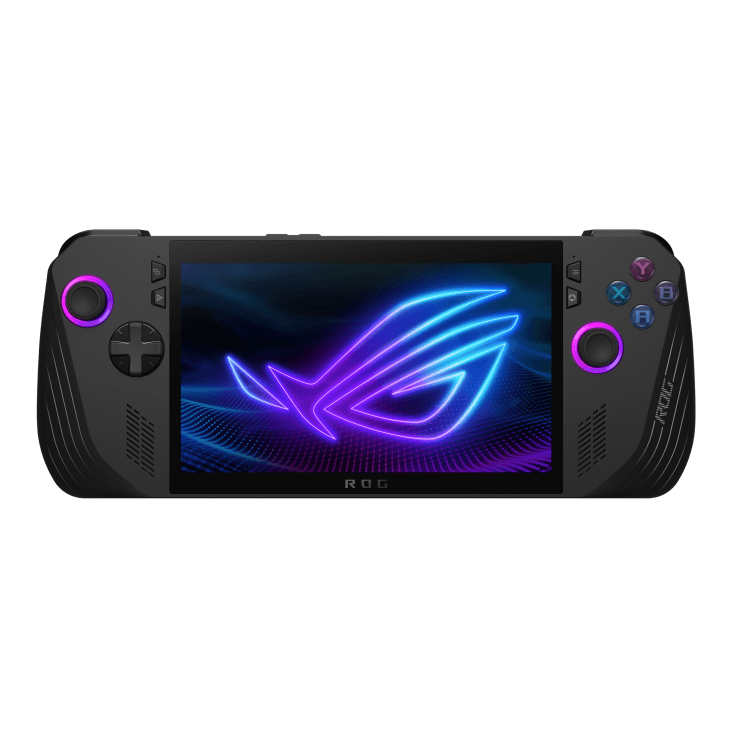
- 1ASUS ROG Ally X
from $800
Windows 117" IPS685 g80 WhThe well-rounded default: an 80 Wh battery, 24 GB of LPDDR5x, a 1 TB M.2 2280 SSD and USB4/Thunderbolt with ROG XG Mobile eGPU support, in a chassis with noticeably better grips than the original Ally. Sticks are still potentiometer rather than Hall Effect.
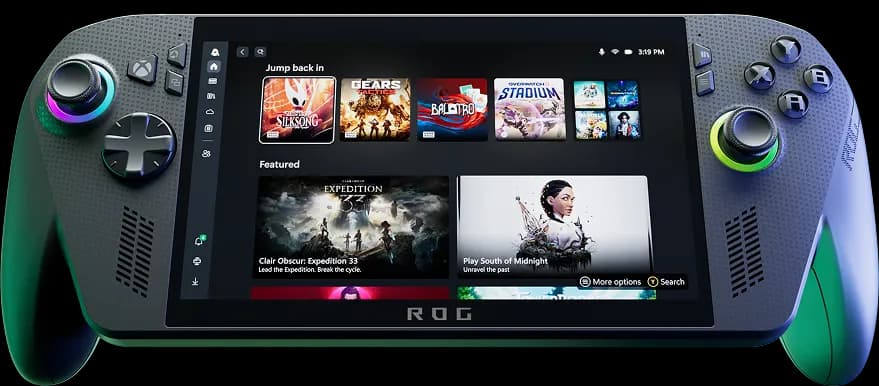
- 2ASUS ROG Xbox Ally X
from $1,000
Windows 117" IPS715 g80 WhThe current flagship: a Zen 5 / RDNA 3.5 Ryzen AI Z2 Extreme (16 CUs), 24 GB RAM, a 1 TB SSD, an 80 Wh battery and USB4 with XG Mobile eGPU support, fronted by the Xbox Full Screen Experience that cuts down on Windows desktop friction. At 715 g it's heavier than the Ally X, and the display is still 1080p IPS.
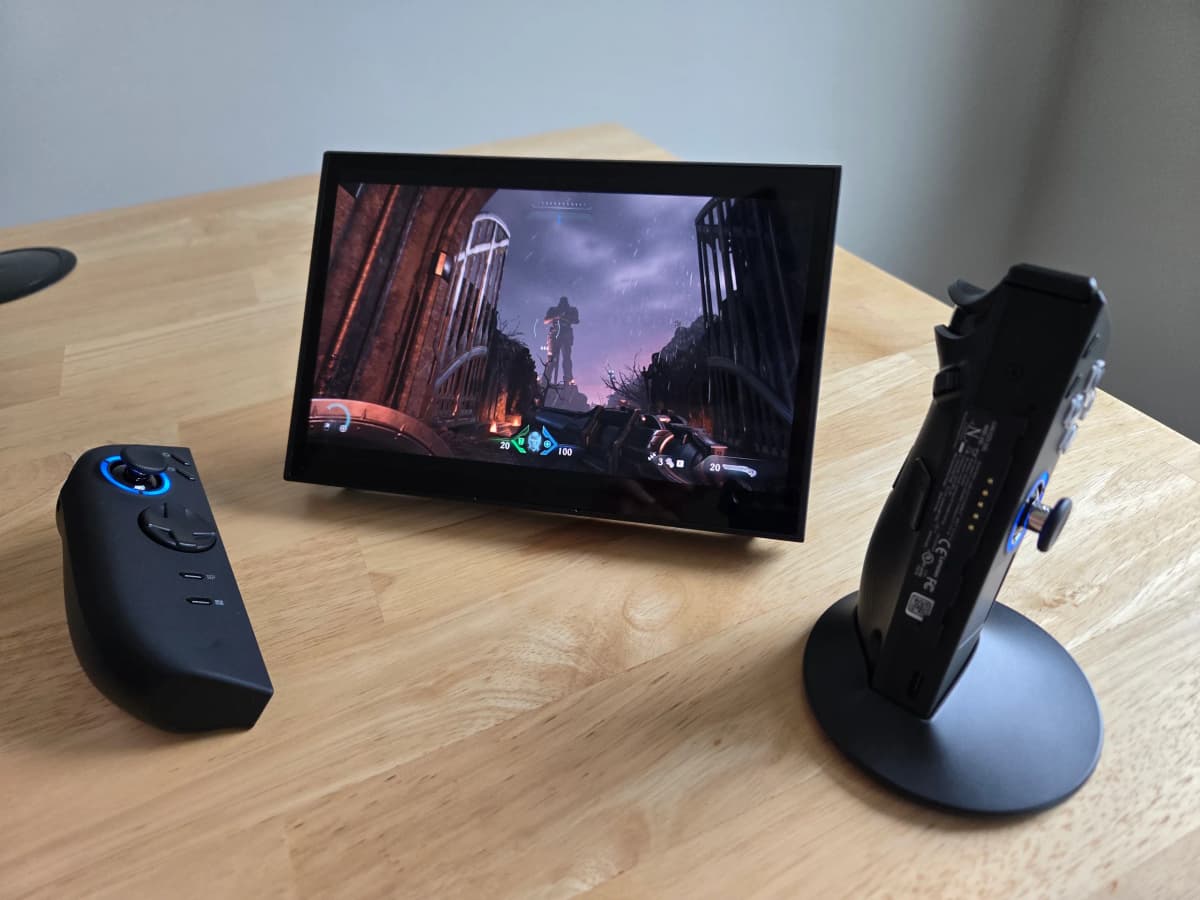
- 3Lenovo Legion Go 2
from $1,100
Windows 118.8" OLED922 g74 WhThe screen-first flagship: an 8.8-inch 144 Hz OLED with VRR, a 74 Wh battery and detachable controllers with a kickstand. It's also the heaviest and most expensive handheld on this list — 922 g starting at $1,099.99 — and early units reported Windows 11 sleep drain.
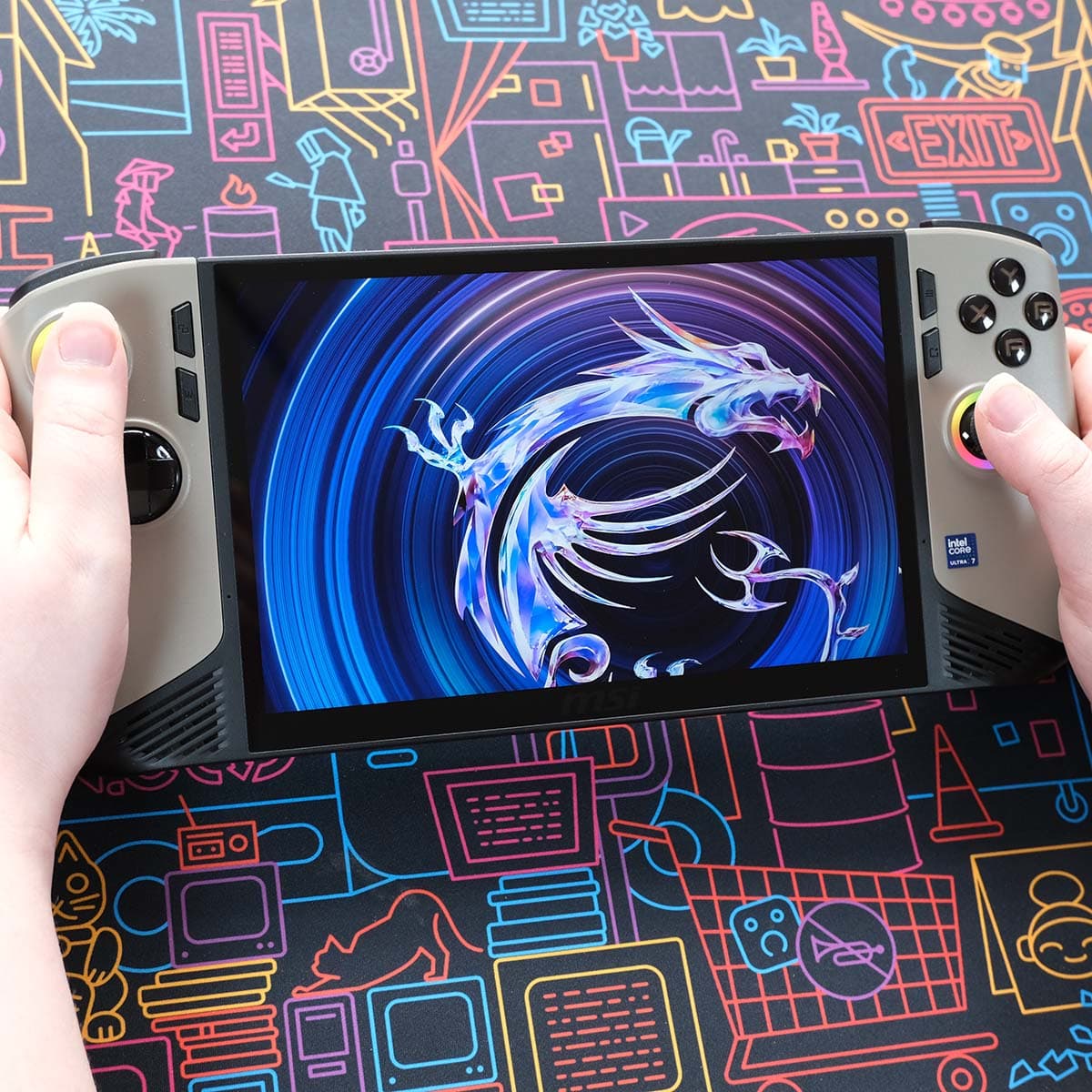
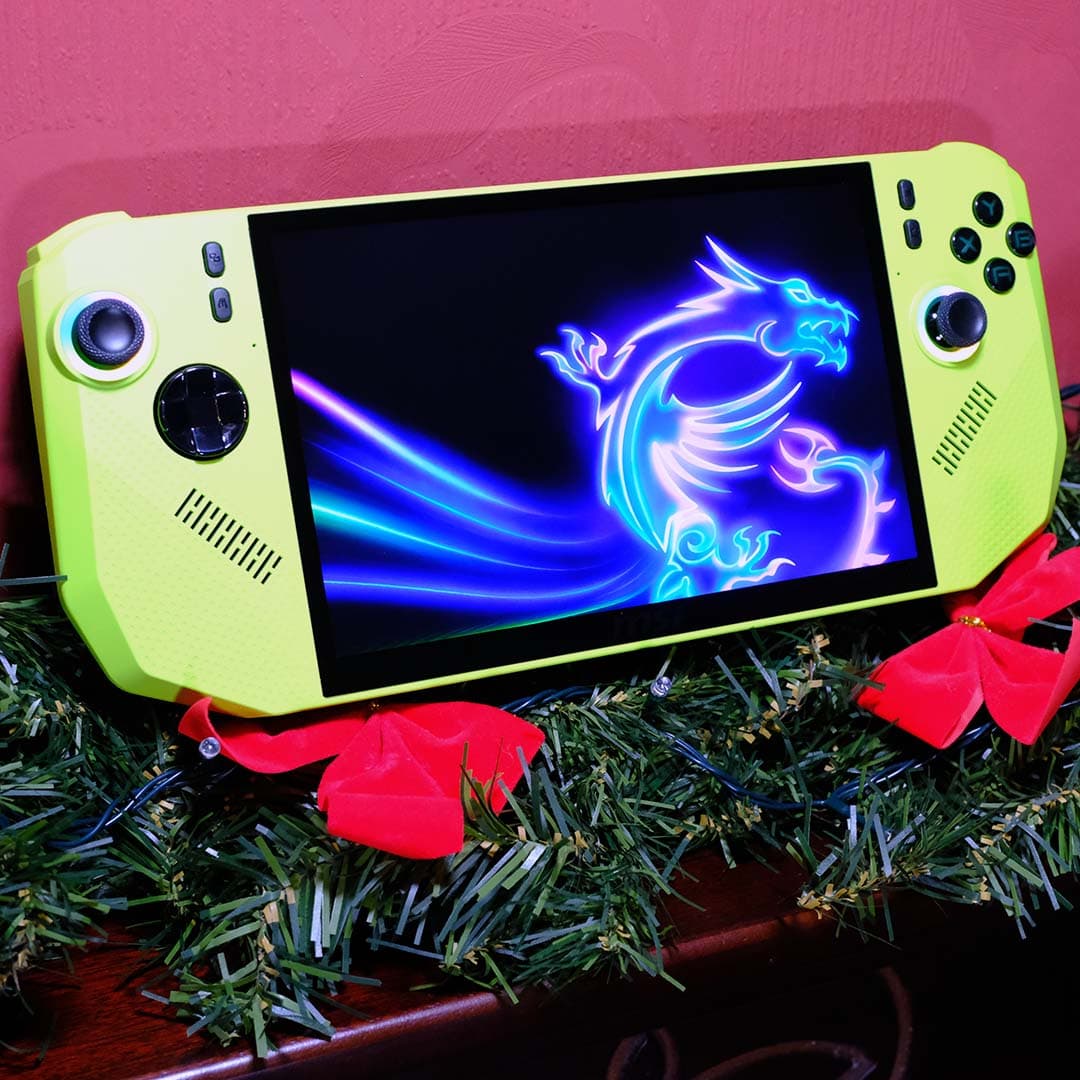
- 4MSI Claw 8 AI+
from $1,119
Windows 118" IPS793 g80 WhThe efficiency pick: Intel's Lunar Lake Core Ultra 7 258V and an 80 Wh battery got this called the best gaming handheld by Notebookcheck on the strength of ~5–6 hours of balanced battery life. Dual Thunderbolt 4/USB4 and Wi-Fi 7 round it out, though the MSI Center M software and AI power profiles are still rough.
- 5MSI Claw A8
from $1,149
Windows 118" IPS80 WhMSI's first AMD handheld, swapping in a Zen 5 Ryzen Z2 Extreme (Radeon 890M) while keeping the 80 Wh battery, 8-inch 120 Hz VRR display and dual Thunderbolt from the Claw 8 AI+. It only reached the US in January 2026, so long-term reliability and final US pricing are still unsettled.
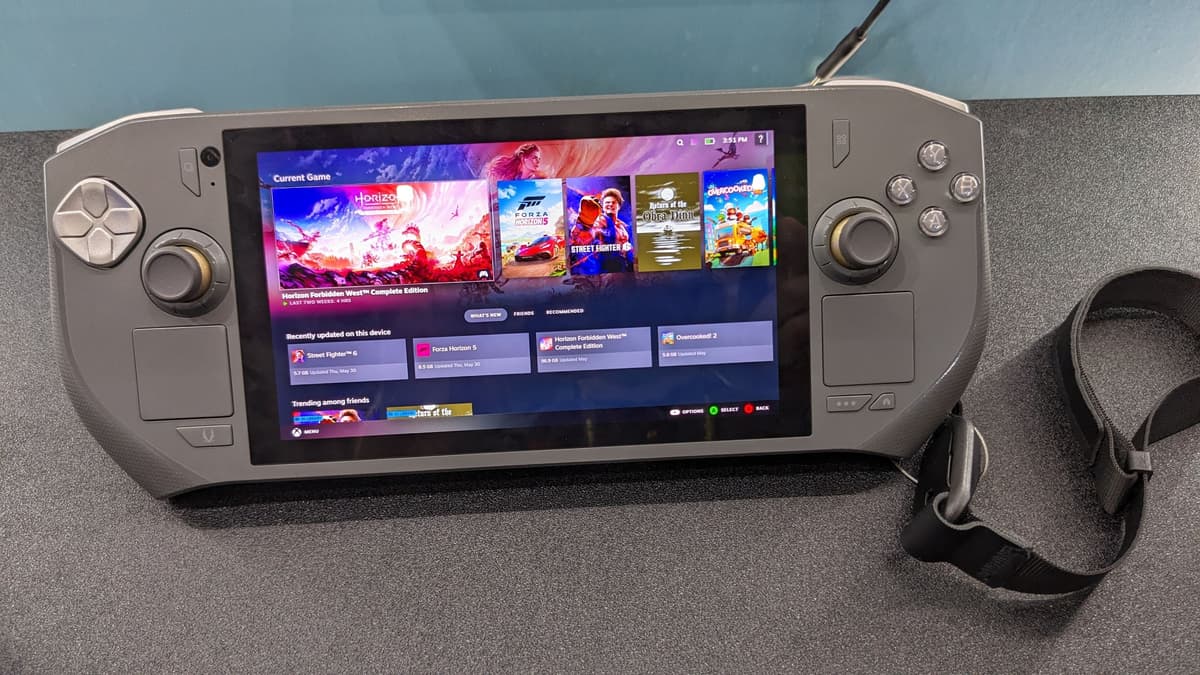
- 6Zotac Zone
from $799
Windows 117" OLED692 g48.5 WhThe niche pick for anyone who misses the Deck's trackpads on Windows: dual trackpads, haptic feedback and radial dials around a standout 7-inch 800-nit AMOLED screen. The 48.5 Wh battery only lasts ~1.5–2 hours under load, and US availability is limited.
Handheld prices are unusually volatile in 2026 due to a global memory-chip shortage — we show the best figure at our last check, but always confirm the live price at the retailer.
FAQ
What's the best Windows handheld gaming PC overall?
The ASUS ROG Ally X is our default recommendation — an 80 Wh battery, 24 GB of RAM, a 1 TB SSD and USB4/Thunderbolt in a well-refined chassis. If you want more raw power and don't mind the extra weight, the ROG Xbox Ally X and Lenovo Legion Go 2 both step up to Zen 5-class silicon.
Which Windows handheld has the best battery life?
The MSI Claw 8 AI+ is the standout on efficiency — its Intel Lunar Lake chip and 80 Wh battery deliver roughly 5–6 hours of balanced use, which Notebookcheck cited as the reason it called the Claw 8 AI+ the best gaming handheld overall. The ROG Ally X, ROG Xbox Ally X, Legion Go 2 and MSI Claw A8 all share the same 74–80 Wh battery class.
Do any Windows handhelds have trackpads like the Steam Deck?
The Zotac Zone is the exception — it has dual trackpads plus haptic feedback and radial dials, features otherwise mostly exclusive to SteamOS devices. Its trade-off is a small 48.5 Wh battery that only lasts about 1.5–2 hours under load.
Is Windows a real downside on these handhelds?
It can be. On the Lenovo Legion Go S, identical hardware performed measurably better running SteamOS than Windows in Notebookcheck's testing, and several devices on this list — the Legion Go 2 among them — have reported Windows 11 sleep-drain issues. If suspend/resume reliability matters more to you than access to every PC storefront, it's worth weighing a SteamOS handheld instead.