
Lenovo Legion Go S (SteamOS) vs Valve Steam Deck OLED
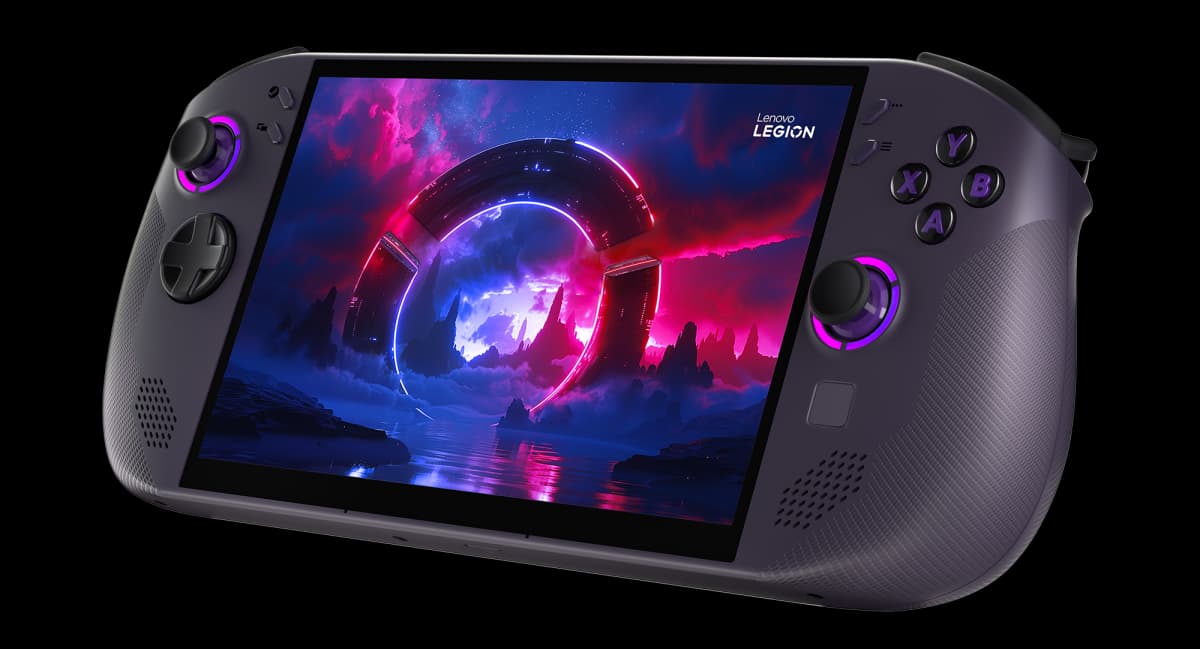
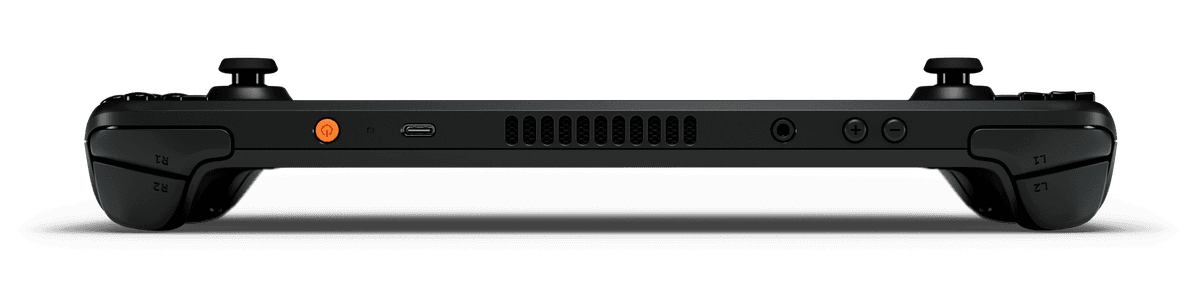
The Legion Go S (SteamOS) offers a bigger 8-inch 120 Hz screen and genuine Hall-effect sticks — something the Steam Deck still lacks — on the same efficient OS. It launched cheaper than the Steam Deck, but 2026's memory-shortage price hikes have pushed it above the OLED at most retailers, so its old price advantage has eroded. The Steam Deck OLED counters with a lighter body, an OLED panel with HDR, and Valve's more mature, longer-refined SteamOS implementation.
Spec comparison
| Spec | Lenovo Legion Go S (SteamOS) | Valve Steam Deck OLED |
|---|---|---|
| Starting price | $900 | $789 |
| OS | SteamOS | SteamOS |
| Screen size | 8" | 7.4" |
| Panel | IPS | OLED |
| Refresh rate | 120 Hz | 90 Hz |
| Resolution | 1920 × 1200 | 1280 × 800 (16:10) |
| Weight | 736 g | 640 g |
| Battery | 55.5 Wh | 50 Wh |
| APU | Ryzen Z2 Go | Steam Deck OLED APU |
| Max TDP | 30 W | 15 W |
| Hall-effect sticks | Yes | No |
| Trackpads | No | 2× 32.5 mm haptic trackpads (improved fidelity) |
| Gyro | Yes | Yes |
Handheld prices are unusually volatile in 2026 due to a global memory-chip shortage — we show the best figure at our last check, but always confirm the live price at the retailer.
Lenovo Legion Go S (SteamOS)
Pros
- SteamOS runs the same hardware faster, quieter and more efficiently than Windows
- Excellent SteamOS suspend/resume
- Hall-effect sticks and triggers; dual USB4
Cons
- Minor friction with non-Steam launchers on SteamOS
- Still a modest 4c / 8t Ryzen Z2 Go
- IPS panel and moderate 55.5 Wh battery
Valve Steam Deck OLED
Pros
- Excellent 90 Hz HDR OLED (1000 nits HDR) with 110% P3
- Bigger 50 Wh battery and Wi-Fi 6E vs LCD
- Best-in-class SteamOS suspend/resume; twin haptic trackpads
Cons
- Same Zen 2 / RDNA 2 APU — no performance gain over LCD
- No VRR; 800p ceiling limits sharpness
- Potentiometer (non-Hall) sticks
Who should buy which
Buy the Legion Go S (SteamOS) if you want a bigger screen and Hall-effect sticks on the same efficient OS, and can stomach its risen 2026 pricing.
Buy the Steam Deck OLED if you want the most polished SteamOS experience and a vivid HDR OLED panel, even without Hall-effect sticks.