
Table des matières (17)
ARC Raiders Patch 1.23.0: The “Stop the Nonsense” Update
Patch 1.23.0 for ARC Raiders is a classic “slim but crucial” update. No new mode, no new enemy type, just a targeted sweep of the stuff that was quietly ruining Flashpoint nights: Stella Montis floor exploits, a ridiculous Trigger Nade damage bug, and looting issues that could literally freeze your run. On top of that, Embark folds in a handful of audio, input, and UI fixes that make the game feel less chaotic in all the wrong ways.
If you’ve been living in Stella Montis and abusing its broken sightlines, or you’ve built your entire loadout around Trigger Nades that occasionally nuke elites in one go, this patch matters a lot. If you mostly care about your runs not collapsing because someone caught fire near a locked door, or because an Assessor corpse refused to behave, it matters even more.
Patch 1.23.0 at a Glance
Before digging into specific fixes, it helps to pin down what this patch actually is: a clean‑up pass after the bigger Flashpoint update, with one small cosmetic addition on top. Think of it as Embark stabilizing the meta and the maps, not reinventing them.
Specifications
On paper that looks dry. In practice, every one of those bullet points touches something players have been complaining about since Flashpoint dropped, especially on Stella Montis.
Stella Montis Exploits Finally Get Clamped
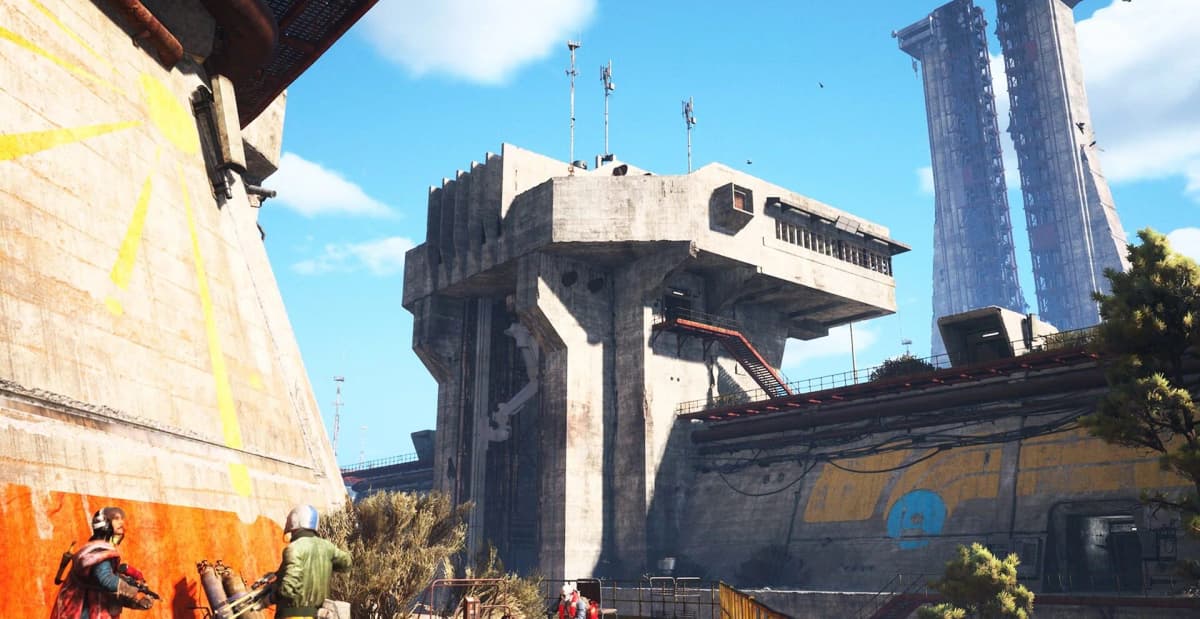
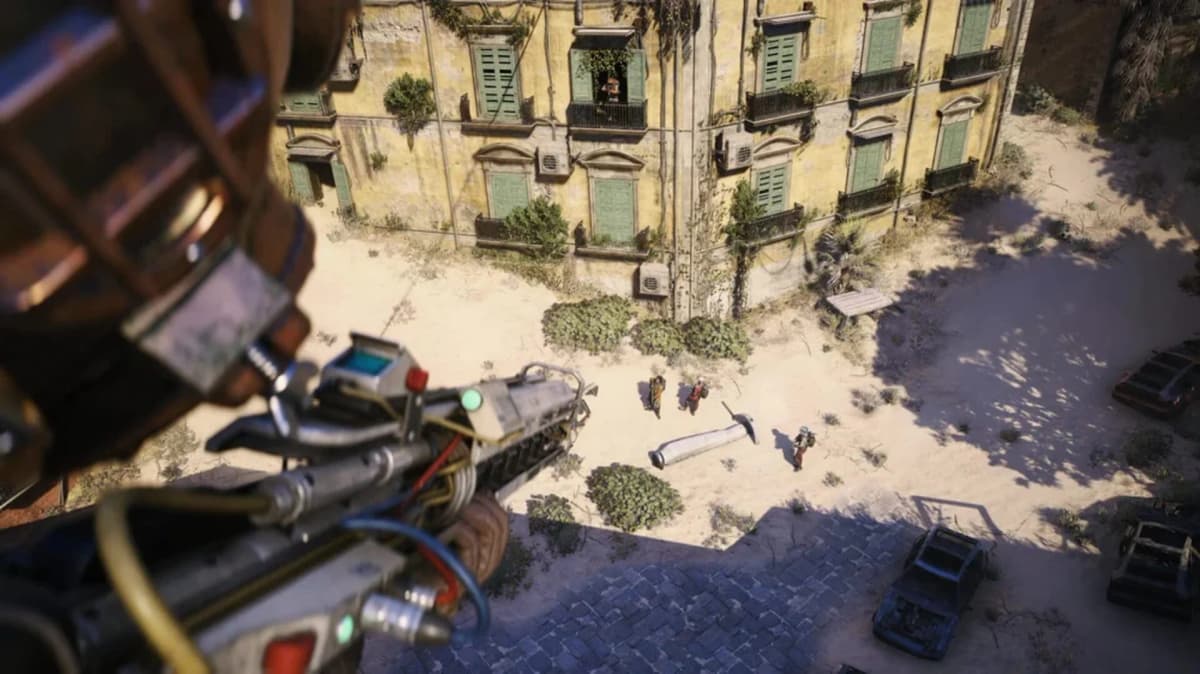
Stella Montis has been a problem child since it arrived. The layout is great on paper – layered vertical combat, indoor choke points, lots of flanking routes – but the collision and geometry issues turned it into swiss cheese. For months, certain spots allowed players (and, sometimes worse, enemies) to interact through floors, walls, or outright leave the intended playspace.
Patch 1.23.0 takes “another swing” at those floor and wall exploits. The patch notes call out multiple clipping points that let you either:
- Slip partly into the floor or wall and shoot from relative safety.
- Take damage or get killed by enemies that were technically beneath or above you, not in line of sight.
- Access out‑of‑bounds positions that trivialized certain Arc waves or objectives.
If you’ve ever wiped because an Arc shot came “from the floor” or because a teammate vanished into geometry to cheese a defense segment, you’ve already met these bugs. They weren’t just fun parkour skips; they broke the basic rules of readability and fairness.
With 1.23.0, those particular clipping holes are patched. We don’t get a public list of exact coordinates, but the changes focus on the infamous Stella floor spots where players could be shot through or shoot out while barely exposed. Expect fewer impossible angles, fewer deaths you can’t explain, and a lot less arguing over killcams during hectic pushes.
There’s a trade‑off here: some squads had baked those exploits into their “optimal” routes – using half‑inside‑the‑floor cover to delete waves while staying nearly invulnerable. If that was your go‑to, your next couple of runs are going to feel harsher. But from a design perspective, Embark is clearly prioritizing readable, consistent encounters rather than letting pseudo‑glitch cover spots define high‑level play.
The Medical Research Fire Bug: No More Random Immolation
One of the strangest Stella Montis issues lived near the Medical Research area. For some players, just moving close to the locked door there would suddenly light them – or their entire squad – on fire. No visible hazard, no telegraphed trap, just instantaneous barbecue.
That kind of bug is worse than a simple balance issue, because it breaks trust in the environment. When you can’t tell what’s dangerous and what’s safe, every corner becomes suspect, and not in the fun, “horror shooter” way.
Patch 1.23.0 explicitly removes or relocates the fire trigger volume around that Medical Research door. You can still die to your own bad decision‑making, but you shouldn’t die to an invisible, always‑on environmental hazard that was never meant to exist.
Practically speaking, this does two things:
- Makes Stella Montis routes more predictable. That corridor stops being “the cursed hallway” and goes back to being a normal combat space.
- Reduces random wipes in longer Flashpoint chains. Losing a run deep in a session to a bug like this is the kind of thing that makes people uninstall for the night.
It’s a small fix on paper, but if you’ve watched a whole team combust out of nowhere, you’ll feel the difference immediately.
Trigger Nades: From 300% Chaos to Predictable Burst
The other headline fix is all about Trigger Nades. Before 1.23.0, they had a nasty habit of “sometimes” doing roughly 300% of their intended damage. Not a flat buff, not a clean multiplier – just occasional, absurd spikes that deleted enemies they absolutely weren’t meant to one‑shot.
In a PvP game that would be instant emergency‑patch territory, but even in a co‑op PvE shooter it quietly breaks everything. Balance, build diversity, and difficulty tuning all assume weapons and abilities behave inside certain ranges. When one grenade sometimes behaves like three, every encounter that leans on elite health pools or tight DPS checks becomes a coin flip.
Patch 1.23.0 tightens this behavior. The damage spike bug is fixed, bringing Trigger Nades back in line with their designed output. You still get strong, skill‑based burst if you play them well, but you don’t get the lottery tickets that occasionally trivialize an entire wave or objective.
How much this hits you depends on your habits:
- If you built around grenades, your runs will feel a bit slower but more consistent. You’ll have to respect boss and elite mechanics again instead of banking on a miracle roll.
- If you avoided grenades because they felt janky, this patch makes them a more reliable part of your toolkit. Predictable damage is a lot easier to build around.
From a meta standpoint, this is one of the healthiest changes in the patch. It doesn’t kill a playstyle; it pulls one overperforming, bug‑boosted tool back into the actual sandbox.
Assessor Looting Fixes: No More Stuck Runs and Ghost Arcs
Assessors – those larger Arc units that function as mini‑objectives and loot piñatas – were at the center of another nasty cluster of bugs. Post‑Flashpoint, players reported several issues when interacting with them, including:
- Getting stuck during or after the looting interaction.
- Runs refusing to progress because the game thought you were still in a looting state.
- Arc enemies or traps associated with the Assessor persisting even after you’d done the objective work.
These aren’t sexy problems to talk about, but they’re exactly the kind of thing that kills long‑term engagement. It’s one thing to wipe because you misplayed a fight; it’s another to wipe or abandon because a corpse and a prompt didn’t behave.
Patch 1.23.0 specifically addresses “Assessor looting issues” that left players stuck or left Arc enemies hanging around after they were supposed to despawn. In practice, that should mean:
- Looting is a short, clean interaction – no more being locked in place or half‑animated while your squad moves on.
- Objectives tied to Assessors complete correctly, so the mission flow doesn’t break.
- Associated enemies and traps clean up properly when they’re done, reducing those weird “why are they still spawning?” moments.
For squads that grind Flashpoint regularly, this change is bigger than it looks. It cuts down on dead time, on random soft locks, and on those awkward debates about whether to bail on a run that’s clearly bugged but technically still “alive.”
Rocketeer vs Vaporizer Audio: Clarity Restored
One of the more amusing bugs fixed in 1.23.0 involves the Rocketeer’s alert sound. For a while, Rocketeers were using the Vaporizer’s audio cue – a mismatch that confused pretty much everyone.
Enemy audio cues are a core part of how you survive in ARC Raiders. You learn to recognize a Vaporizer’s tell, a Rocketeer’s wind‑up, and you react even before you see them. When those sounds are swapped or misassigned, the entire read‑and‑respond loop suffers.
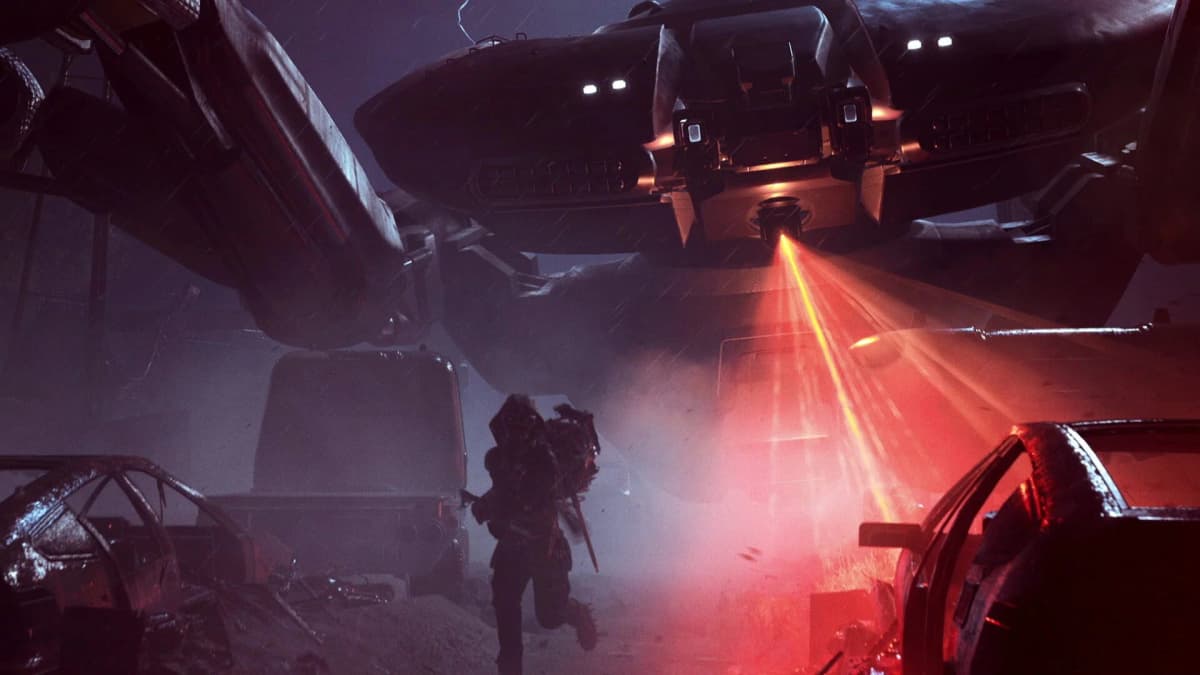
By restoring the proper Rocketeer alert, patch 1.23.0 tightens the game’s language again. You hear the right cue, you expect the right threat, and your muscle memory can actually do its job.
It sounds tiny, but anyone who plays with decent headphones and relies on sound to track enemies will notice. This is one of those “the game feels fairer and cleaner, but I can’t quite explain why” fixes.
Input, Weapon Handling, and Other Quality‑of‑Life Fixes
Beyond the big headline items, 1.23.0 quietly cleans up several gameplay feel issues that cropped up around the Flashpoint update:
- Unexpected autofire: Some players reported weapons firing on their own or continuing to fire briefly after input stopped. That’s the kind of thing that ruins ammo economy and trust in your controls. The patch addresses these rogue input behaviors.
- Item swap and fire delays: Delays between swapping items or coming out of certain states and actually being allowed to fire again have been tightened up. That means fewer “I pressed the trigger and nothing happened” moments when juggling gadgets and weapons.
- Ping and UI oddities: Incorrect pings, markers lingering too long, or objective prompts behaving inconsistently in Close Scrutiny and other modes have seen fixes. Cleaner information means smoother squad coordination.
- Movement and navigation bugs for certain enemies: Particularly around Close Scrutiny and some map chokepoints, Rockets and Vaporizers behaved oddly or got hung up. 1.23.0 includes pathing tweaks so they engage more consistently instead of glitching out.
None of these fixes turn ARC Raiders into a different game overnight. What they do is shave off a lot of small frustrations that add up over a two‑ or three‑hour session. When your gun fires when you expect, your pings make sense, and enemies move in believable ways, you focus on playing instead of debugging.
The Vanguard Cosmetic Set: A Small Carrot with the Stick
Buried in the notes is one piece of new content: a Vanguard cosmetic set. It’s not gameplay‑changing, and it’s clearly not the headline of this update, but it serves a purpose.
Live service games often pair bugfix patches with a minor cosmetic addition for a simple reason: it gives people who log back in “just to see if things are better now” something fresh to chase or equip. In 1.23.0, that’s exactly what the Vanguard set does. You jump back in to see whether Stella Montis still tries to kill you through the floor; you leave with a new look if you decide to stick around.
From a pure gameplay perspective, you can ignore it. From a retention perspective, it’s a smart little bonus on top of fixes that mostly target the high‑friction pain points.
Did Embark Go Too Hard on Exploit Clamping?
Any time a patch removes “exploits,” there’s a tension between cleaning up genuine bugs and wiping out creative routing. Not every weird jump or off‑angle is bad for the game; sometimes they become community‑accepted tech. The question with 1.23.0 is whether Embark over‑corrected on Stella Montis.
Based on what’s been addressed, the focus is squarely on:
- Being shot through floors and walls where nothing was visibly happening.
- Reaching positions that clearly sit outside intended playspace boundaries.
- Using half‑clipped cover where only a few pixels of your character were exposed.
Those aren’t clever use‑of‑geometry spots; they’re classic “collision didn’t get enough QA time” issues. Leaving them in rewards players who are willing to break the game client, not players who learn the encounter design.
If you enjoy squeezing every advantage from map knowledge, there’s still plenty of room to do that without standing inside a wall. Angle management, vertical flanks, and mobility tools still matter. 1.23.0 just makes it harder to bypass intended risk entirely.
There is one reasonable concern: every time you change collision in a complex level, you risk introducing new weirdness. So far, nothing dramatic has surfaced, but it’s worth keeping an eye on Stella Montis in the weeks after the patch. The goal is fewer “how did that hit me?” moments, not new ones in different corners.
How 1.23.0 Feels Depending on Your Playstyle
Because this isn’t a big content update, the impact of 1.23.0 really depends on how you play ARC Raiders and how deep you are into Flashpoint.
If you’re a Stella Montis regular: You’ll notice the changes immediately. Routes you used to take might be slightly different, and you lose the dirtier exploit spots. In exchange, you get a map that kills you less through bugs – no more phantom floor shots, no more cursed Medical Research door. Overall difficulty might creep up a notch if you leaned on those exploits, but the experience is more honest.
If you’re a grenade‑centric damage dealer: Trigger Nades feel tamer but saner. Their ceiling comes down; their floor comes up. You’ll need to adjust expectations around how fast you can delete elites or chunks of a boss bar. On the upside, you’re less likely to feel that “huh, that seemed way too strong” cognitive dissonance after a perfect throw.
If you’re the squad’s “systems person”: The one who pings everything, handles objectives, and babysits Assessors? This patch is your quiet victory lap. Fewer broken prompts, fewer stuck teammates, fewer ghost enemies that didn’t get the memo the fight was over. You can focus on keeping the team moving instead of diagnosing why the game doesn’t recognize you looted the thing it asked for.
If you’re a lapsed player thinking about coming back: 1.23.0 is not a headline “you must return now” moment on its own. But if you bounced off ARC Raiders because Flashpoint felt flaky – random fires, glitched objectives, sketchy hit detection on Stella – this is the patch that patches the attitude. It’s Embark saying, “We heard the complaints; here’s a round of fixes before we push more content.”
Pros and Cons of Patch 1.23.0
To put 1.23.0 into perspective, it helps to line up the wins and the trade‑offs.
✓ PROS
+
Clamps long-standing Stella Montis exploits that broke fairness
+
Removes the invisible fire trigger near Medical Research, eliminating random squad wipes
+
Fixes Trigger Nades’ ~300% damage spikes, stabilizing build balance
+
Resolves Assessor looting bugs that caused stuck runs and lingering enemies
+
Restores correct Rocketeer audio, improving threat readability
+
Cleans up input and firing bugs for more trustworthy controls
+
Fixes several Flashpoint/Close Scrutiny map and UI issues
+
Adds a small Vanguard cosmetic set as a bonus for returning players
✗ CONS
–
Some popular “cheese” spots on Stella Montis are gone, making runs feel harder for exploit-reliant squads
–
Grenade-focused builds lose their outrageous burst moments and may feel less exciting
–
Patch doesn’t introduce new gameplay systems or major content beyond cosmetics
–
Fix pass is focused on known issues; at least one critical tick-related bug remains unresolved
–
Risk that new geometry changes create fresh, as-yet-undiscovered collision quirks
Unresolved Issues and What’s Still Missing
It’s worth noting that 1.23.0 doesn’t magically fix everything. According to Embark, at least one critical tick‑related bug remains on their radar, and some deeper netcode or desync issues aren’t addressed in this specific patch.
If you’ve been dealing with:
- Occasional odd hit registration in high‑intensity fights.
- Rare but severe desync where enemies appear in different places for different squadmates.
- Performance spikes on certain hardware configurations during large Flashpoint engagements.
1.23.0 may not fully cure those. This update is mostly level scripting, collision, damage calculation, and interaction logic – not a deep rewrite of the simulation layer.
That’s not a criticism so much as a reality check. If you were expecting “the big network patch,” this isn’t it. But by cleaning up many of the obvious, repeatable pain points, Embark is at least clearing the surface layer so deeper systemic work is easier to see and test in future updates.
Verdict: A Necessary Housekeeping Patch That Changes Daily Play
Patch 1.23.0 is the kind of update you want to see after a big content drop like Flashpoint. It doesn’t chase headlines; it quietly makes the game less janky, less abusable, and more trustworthy.
Stella Montis is less cursed, Trigger Nades behave like they’re supposed to, Assessors stop holding your runs hostage, and the sound and feel of combat get a welcome polish pass. If you cared mainly about fair fights and stable sessions, this patch lands exactly where it needs to.
8/10
VERDICT
Patch 1.23.0 doesn’t transform ARC Raiders, but it meaningfully improves the day-to-day experience. By clamping abusive Stella Montis exploits, normalizing Trigger Nade damage, and fixing the worst Flashpoint bugs around fire, looting, and input, Embark delivers the kind of grounded, quality-focused update that keeps a live game healthy. If you were waiting for ARC Raiders to feel less flaky and more fair, this is a strong step in the right direction.